

Nepal topographic maps
Click on a map to view its topography, its elevation and its terrain.
Mount Everest
Nepal > Eastern Development Region > Khumjung
Mount Everest (Chinese: 珠穆朗玛 Zhūmùlǎngmǎ; Nepali: सगरमाथा Sagarmāthā; Tibetan: Chomolungma ཇོ་མོ་གླང་མ) is Earth's highest mountain above sea level, located in the Mahalangur Himal sub-range of the Himalayas. The China–Nepal border runs across its summit…
Average elevation: 25,725 ft
Kathmandu
Nepal > Bagmati Province > Kathmandu
Kathmandu is located at an elevation of approximately 4,600 feet (1,400 meters) within the Kathmandu Valley. This valley is characterized by a bowl-like topography, encircled by the lower Himalayan ranges, which rise sharply in the north, culminating in peaks that exceed 24,000 feet (7,300 meters). The…
Average elevation: 5,046 ft


Mount Everest
Nepal > Koshi Province > Solukhumbu
Mount Everest (Nepali: सगरमाथा, romanized: Sagarmāthā; Tibetan: Chomolungma ཇོ་མོ་གླང་མ; Chinese: 珠穆朗玛峰; pinyin: Zhūmùlǎngmǎ Fēng) is Earth's highest mountain above sea level, located in the Mahalangur Himal sub-range of the Himalayas. The China–Nepal…
Average elevation: 25,755 ft


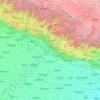


Lahan
Nepal > Madhesh Province > Siraha
Lahan (लहान) is a municipality in the Siraha district of Madhesh, Nepal. Lahan is the 36th densest municipality in the country, with a population of 102,031 spread out across 24 wards, the most wards of any Nepalese municipality. It is connected by the east-west highway. It is located nearly 261 km…
Average elevation: 377 ft


Kanchanpur District
Nepal > Sudurpashchim Province
The district expands from 28 degrees 38 minutes to 29 degrees 28 minutes Northern latitudes and 80 degrees 03 minutes to 80 degrees 33 minutes Eastern longitudes. It is situated at the end of westmost part of province and country on the corner of the south-west. Geographically it is on the terai, but the…
Average elevation: 1,093 ft


Viewpoint (5225m)
Nepal > Gandaki Province > Gorkha > Larke Phedi - Dharmasala
Average elevation: 16,781 ft


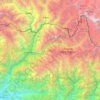
Rasuwa
Its territory has elevations ranging from 614 to 7,227 meters (2,014 to 23,711 ft) from mean sea Level. Forests cover 31.43% of the land while 16.63% is always snow-covered. Steeply varying territory and plenty of natural blessings make Rasuwa a well-known tourist destination in Nepal. Sightseeing places…
Average elevation: 11,991 ft


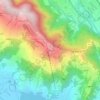
Sarangkot
Nepal > Gandaki Province > Kaski > Pokhara
The Ward is located on Sarangkot, a hill on the western side of Pokhara with an altitude of 1600m. Sarangkot is known for its panoramic Himalayan views of Dhaulagiri, Annapurna and Manaslu. It also provides an expansive view of the city of Pokhara, from the extreme north to the south including Phewa Lake.…
Average elevation: 3,737 ft

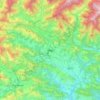
Pokhara
Pokhara is in the northwestern corner of the Pokhara Valley, which is a widening of the Seti Gandaki valley that lies in the region (Pahad) of the Himalayas. In this region the mountains rise very quickly, and within 30 kilometres (19 miles), the elevation rises from 1,000 to 7,500 metres (3,300 to 24,600…
Average elevation: 4,009 ft


Rukum West
Elevation ranges from below 800 meters along the Bheri and its lowest tributaries to about 6,000 meters in the Dhaulagiris with a range of climates from sub-tropical to perpetual snow and ice. Agricultural use ranges from irrigated rice cultivation through upland cultivation of maize, barley, wheat, potatoes…
Average elevation: 7,159 ft


Koshi Province
Koshi Pradesh covers an area of 25,905 km2. The province has three-fold geographical division: Himalayan in the north, Hilly in the middle and Terai in the southern part of Nepal, varying between an altitude of 70 m and 8,848 m. Terai, extended from east to west, is made up of alluvial soil. To the west of…
Average elevation: 7,244 ft

Mulpani Pipalbot
Nepal > Bagamati Province > Kathmandu > Kageshwori Manohara
Average elevation: 4,383 ft


Arun River
Nepal > Koshi Province > Sankhuwasabha > Num
The Tibetan name Bum-chu may refer to a religious ceremony attempting to divine prospects for the coming year from the level of water in a pot or well, chu is the Tibetan word for water. The river originates near Gutso in Nyalam County of Tibet. Around 17 kilometres (11 mi) downstream, the Men-chu joins it.…
Average elevation: 3,783 ft



Sarketari Baandh/ Risk And Hazards/ Flood
Nepal > Bagamati Province > Dhading > Nilakantha
Average elevation: 3,064 ft
